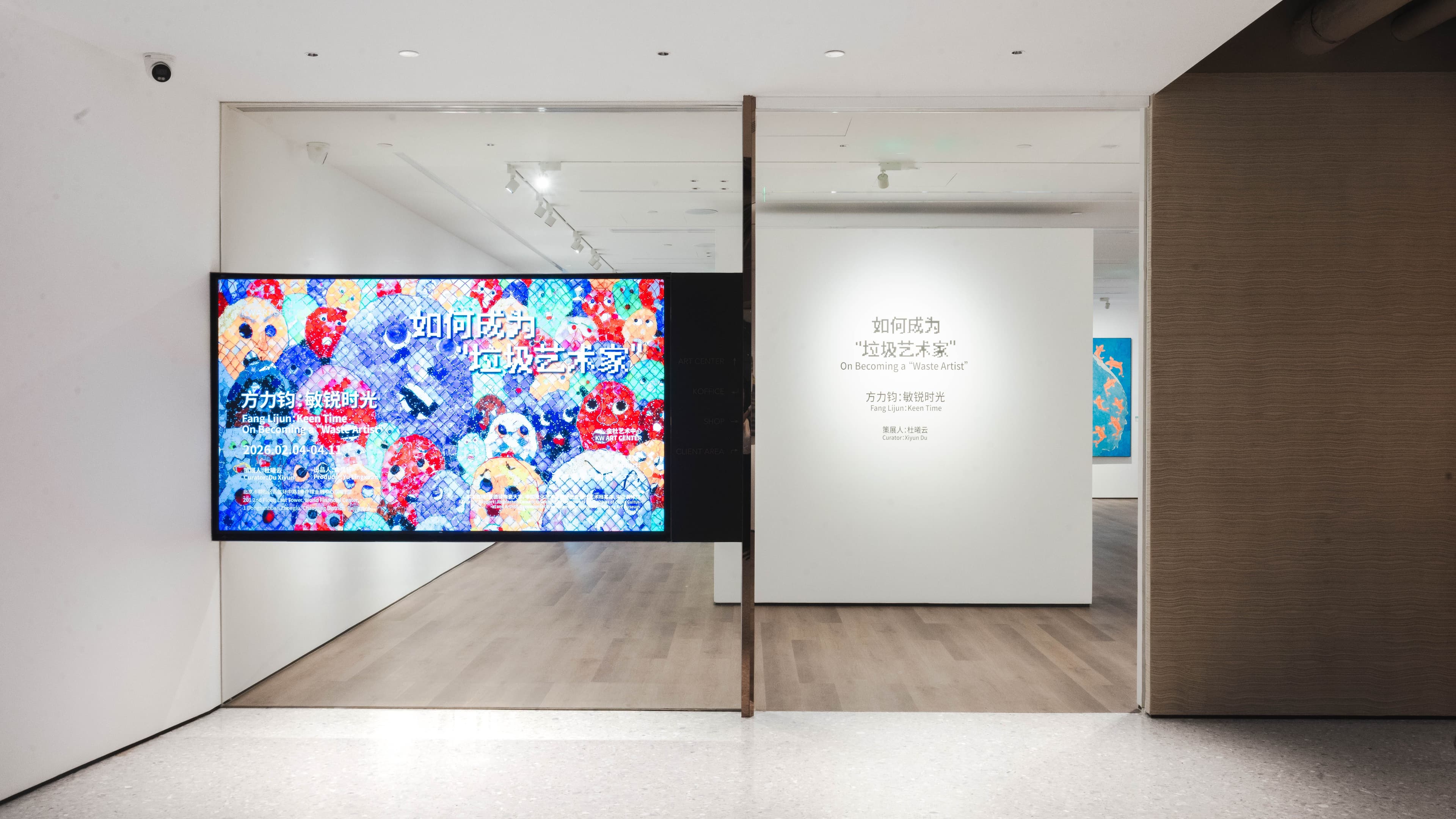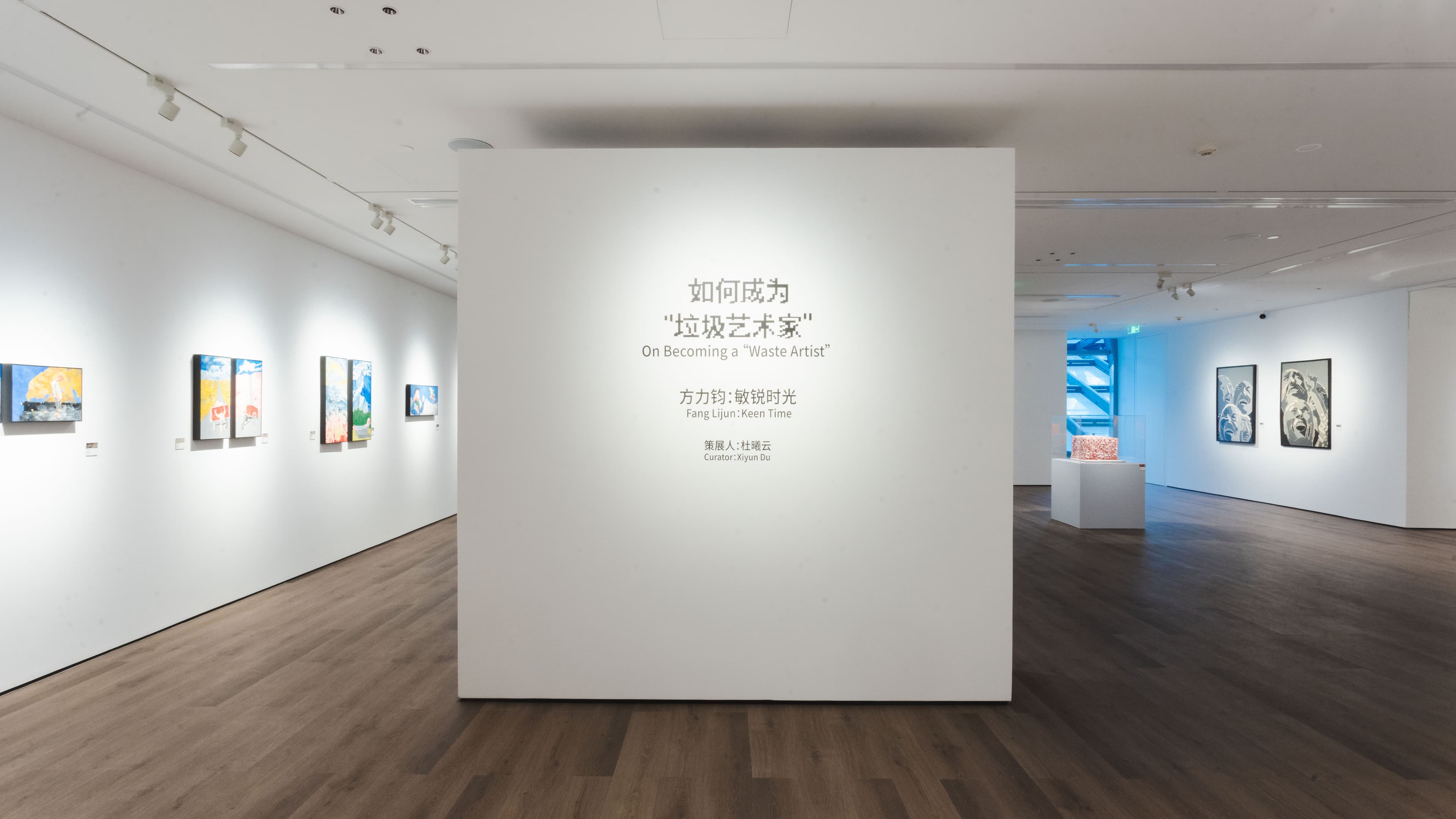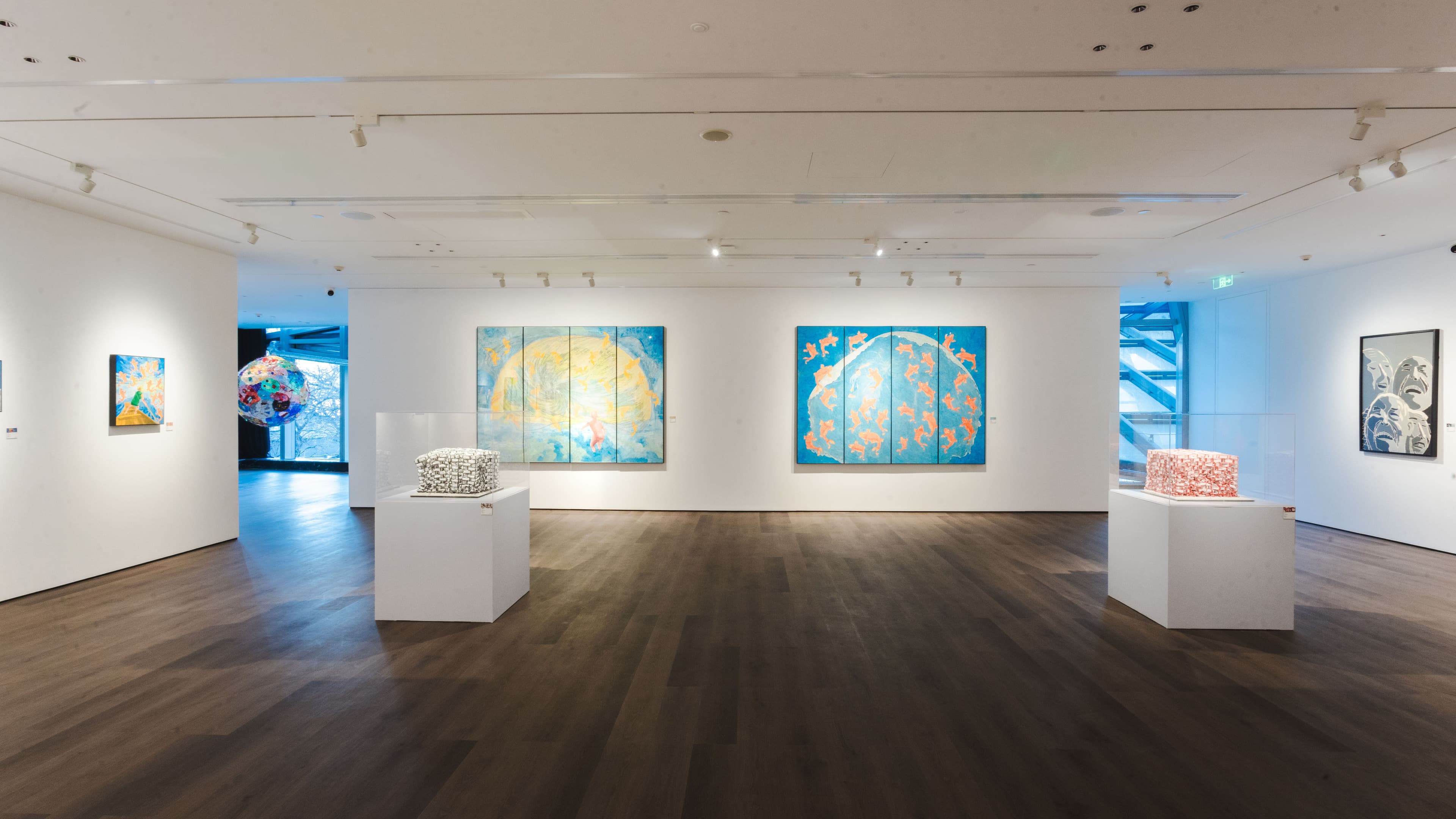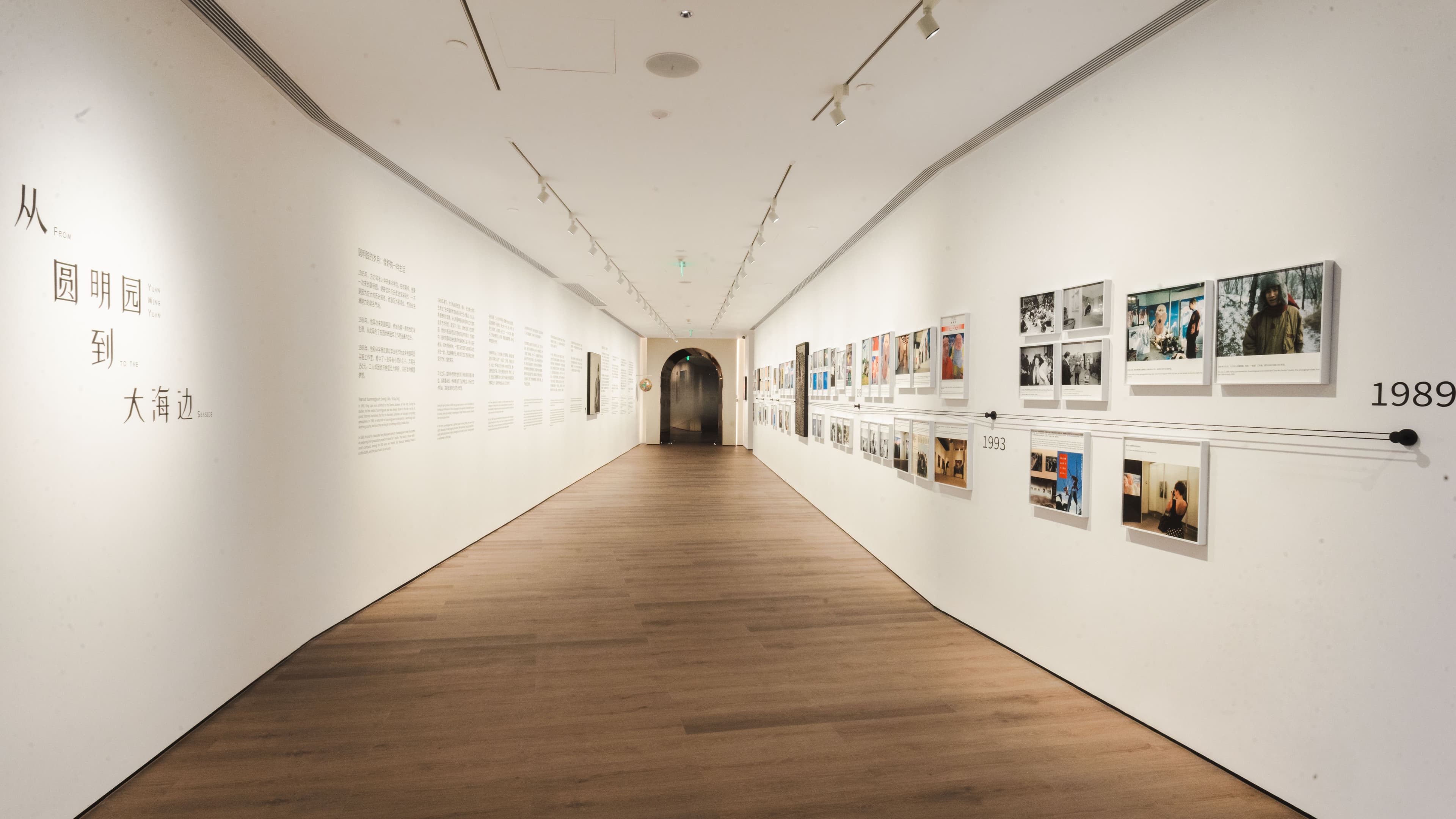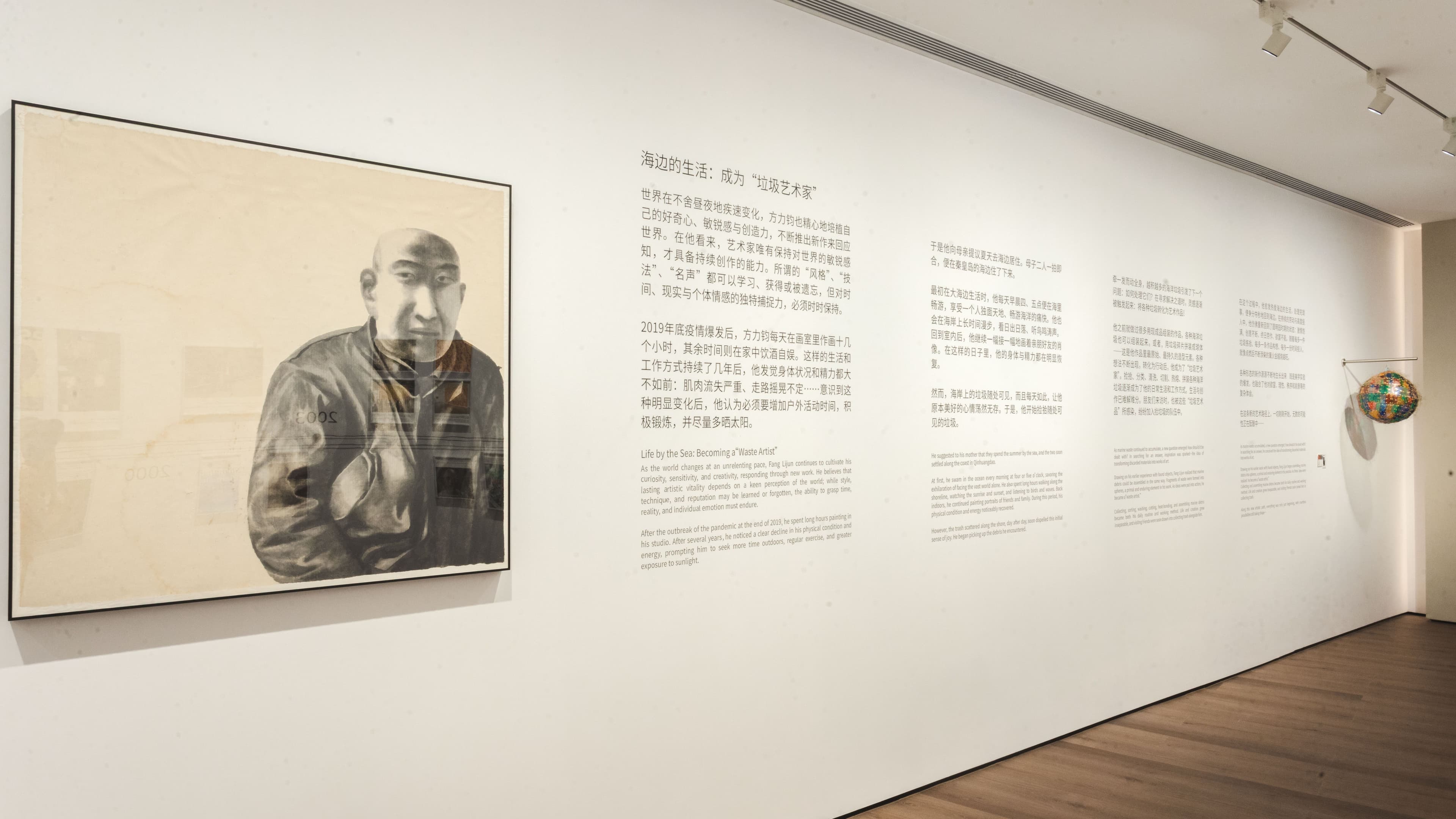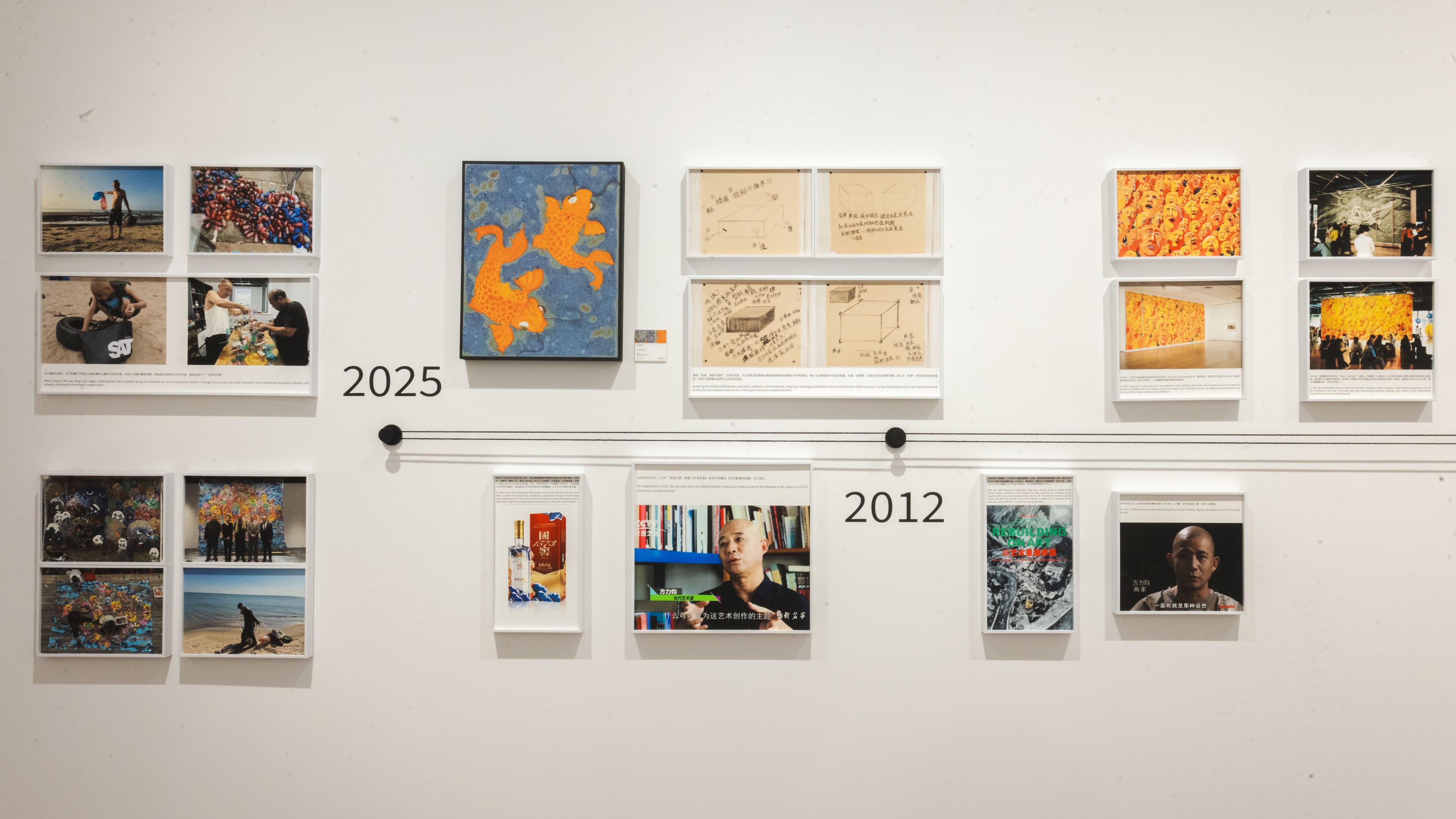
方力钧「敏锐时光 - 如何成为“垃圾艺术家”」
方力钧
2026年2月4日 - 2026年5月23日
展期 Duration:2026.02.04—2026.05.23
地点 Add:金杜艺术中心KW-ARTCENTER
方力钧的敏锐时光
Keen Time of Fang Lijun
文/杜曦云
有限、短暂的生命遭遇无限复杂的世界,心思意念在呼吸之间涌动流变,不吐不快。那些时常以美学的方式分泌、释放、排泄所感所思的人,被称为“艺术家”。一方面,有多少艺术家,就有多少种艺术,艺术世界是如此多元!另一方面,那些不断靠近生存真相的艺术,更为感人,因为和每个人息息相关;也更有助于提升智慧,因为人生亟需智慧,智慧源于求真,真相往往令人不悦,但却有益身心。
Life is fleeting, unfolding within a world of endless complexity. Thoughts and impulses rise and shift with each breath, pressing toward expression. Those who give form to what they sense, and envision through aesthetic means, are called artists.
Art takes as many forms as there are artists, making the art world endlessly diverse.Yetthe works that leave the deepest impression are often those that approach the truth of lived experience. They matter because they are bound to everyday life, and because they foster wisdom—something life continually calls for. Wisdom emerges through an ongoing search for truth, a truth that may unsettle us, yet ultimately nourishes both mind and body.
敏感的心灵遭遇粗粝的人生,让方力钧深刻领教到人性的力量。由表及里,这十丈红尘中的万千变幻,底色都是满满的人性。于是,他在生活中体会和琢磨的重心,锚定在了“人性”上。艺术是他生活的产物,顺理成章地转化他对人性的所感所思,和生活互哺互动。
A sensitive mind ends up in a harsh, abrasive life fostered Fang Lijun’s deep understanding of human nature. Beneath the countless shifts and disguises of this bustling human world lies a single constant: human nature itself. Gradually, the focus of his lived experience and reflection became anchored there. His art, born directly from life, naturally transforms his perceptions and thoughts on human nature, forming a reciprocal and generative relationship with lived experience.
艺术领域中常见的“好看”,对他来说太简单太轻飘了,甚至是虚妄的。生而为人,经历人世,研究和表达人性是如此必要,而且永不枯竭——人性在复杂现场中瞬息万变,有时让自己都出乎意料,旁观者又怎能识透呢?也正因如此,他的艺术语言全面开放,只为了探究人性的秘密,坦率地和观者共享。而且,他认为自己所有的单件作品都是为了构筑成一个大的作品,它们构成一个整体,都在讨论一个话题,只是变换着不同的角度。
What is commonly regarded as “beauty” in the art world strikes him as too easy, too superficial, and even illusory. To live as a human being, to move through the human world, makes the study and expression of human nature both necessary and inexhaustible. Human nature shifts instantly within complex situations, at times surprising even oneself—how, then, could it ever be fully grasped by an observer? For this reason, his artistic language remains open, devoted to exploring the secrets of human nature and sharing them candidly with the viewer. He also sees each individual work as part of a larger whole: together, they form a single, expansive work, addressing the same fundamental question from constantly shifting perspectives.
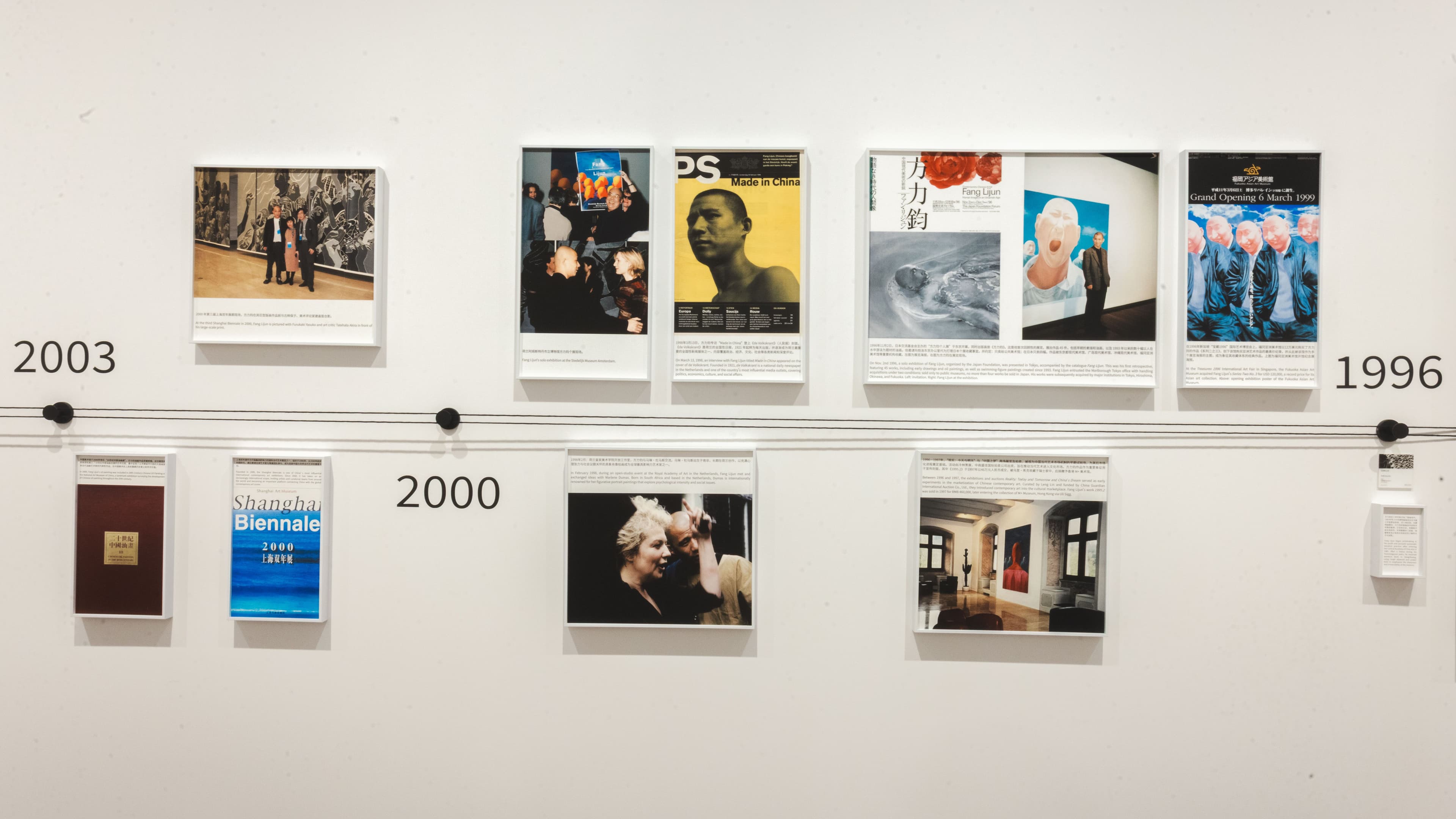
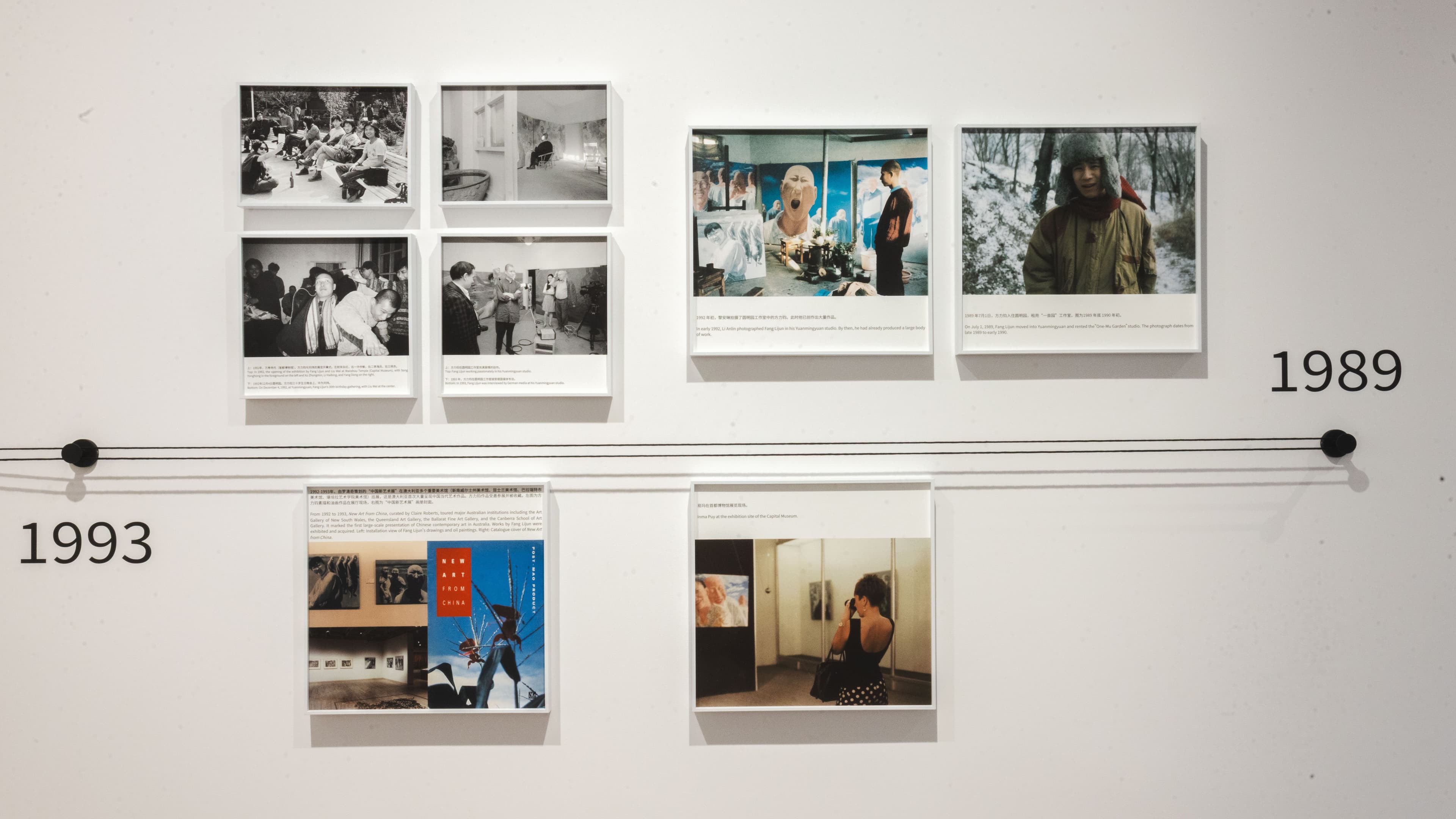
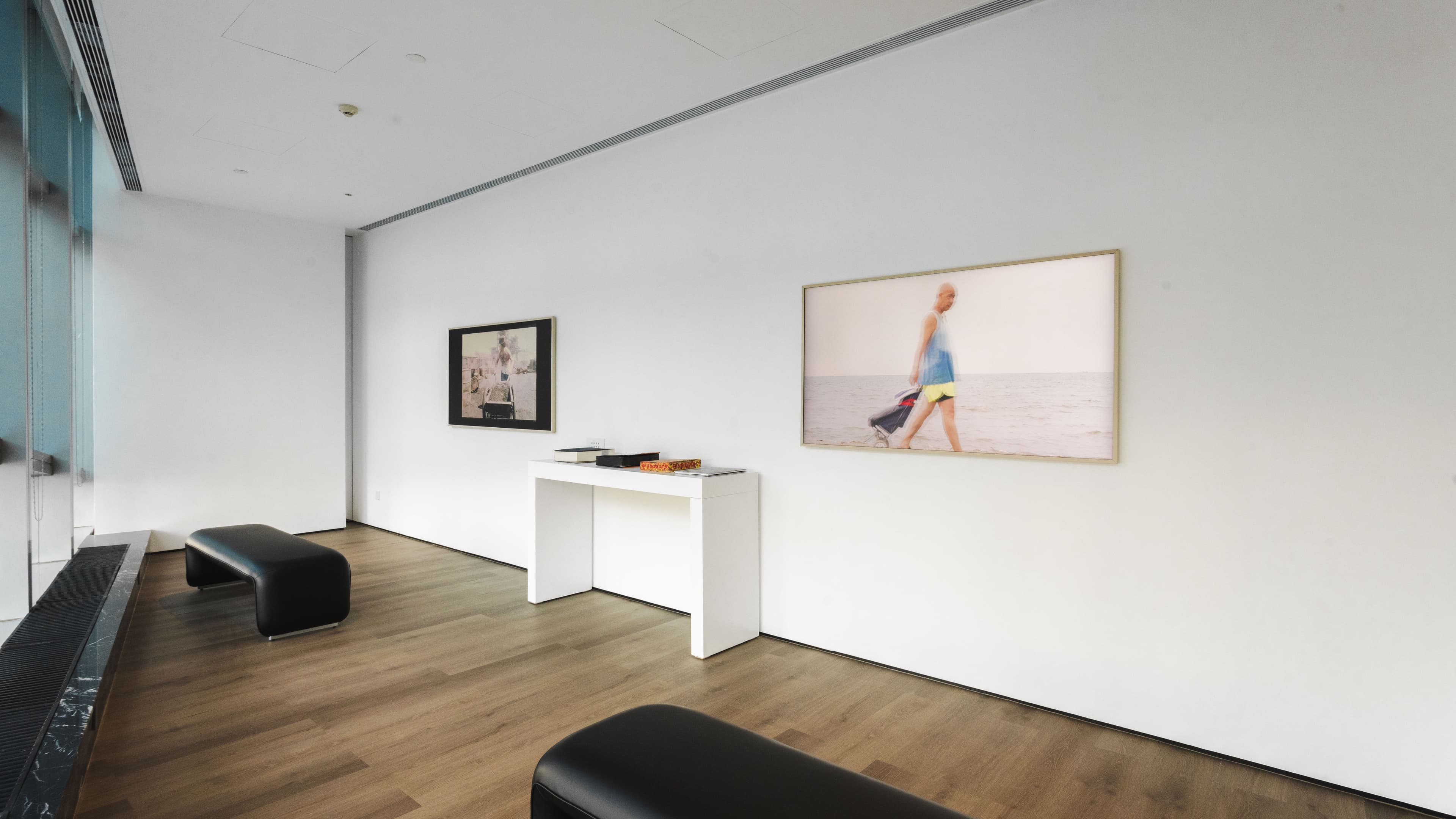
经历和体会的积累,驱动着艺术作品的变化和不变。从1989年7月1日入住圆明园,到2025年在大海边生活,他的作品在形式、材料、主题方面都发生着很大的变化。不变的是自信的心态。他反复强调:不要盲目羡慕和妄自菲薄,要正视和尊重自己的生活,自己的生命感受是最不可替代的。在多年的国际交流过程中,他也更加确认这一点。正因如此,他的作品很自然地具有原创性:敏锐而深刻的人生体会驱动艺术表达,形式和材料的创新仿佛自然而然滋生出来的,不强扭、不矫饰,也许煞费苦心,但令人感觉轻松自在、落落大方。
The accumulation of lived experience and reflection drives both change and continuity in his art. Since he moved to Yuanmingyuan on July 1, 1989, till his life by the sea in 2025, his work has undergone significant shifts in form, material, and subject matter. What has remained constant is his confidence of mind. He repeatedly stresses the importance of neither blind admiration nor self-deprecation, but of facing and respecting one’s own life. One’s lived experience, he insists, is the most irreplaceable source of value, a conviction only reinforced through years of international exchange.
It is for this reason that his work possesses an inherent originality: keen and deeply felt experience propels artistic expression, while innovations in form and material emerge almost organically unforced and unpretentious. Though the process may be painstaking, the result appears effortless, composed, and assured.
他的油画以固有色系为主,和印象派以来冷暖交织的环境色系不同,但他认为:不要求视觉上的真实,更不要求科学上的真实,只要求感觉上的真实。甚至,他认为颜料商们尽心尽力研发出的高纯度颜料本身已富有魅力,他自己尽量避免把它们再混合成传统油画所推崇的“高级灰”。
His oil paintings are grounded primarily in inherent, local color. Unlike the interwoven cool and warm atmospheric palettes that have dominated painting since Impressionism, he insists on neither visual realism nor scientific accuracy, but on a truth of sensation. He even considers the high-purity pigments painstakingly developed by paint manufacturers to be compelling in themselves and deliberately avoids blending them into the so-called “neutral grays” long prized in traditional oil painting.
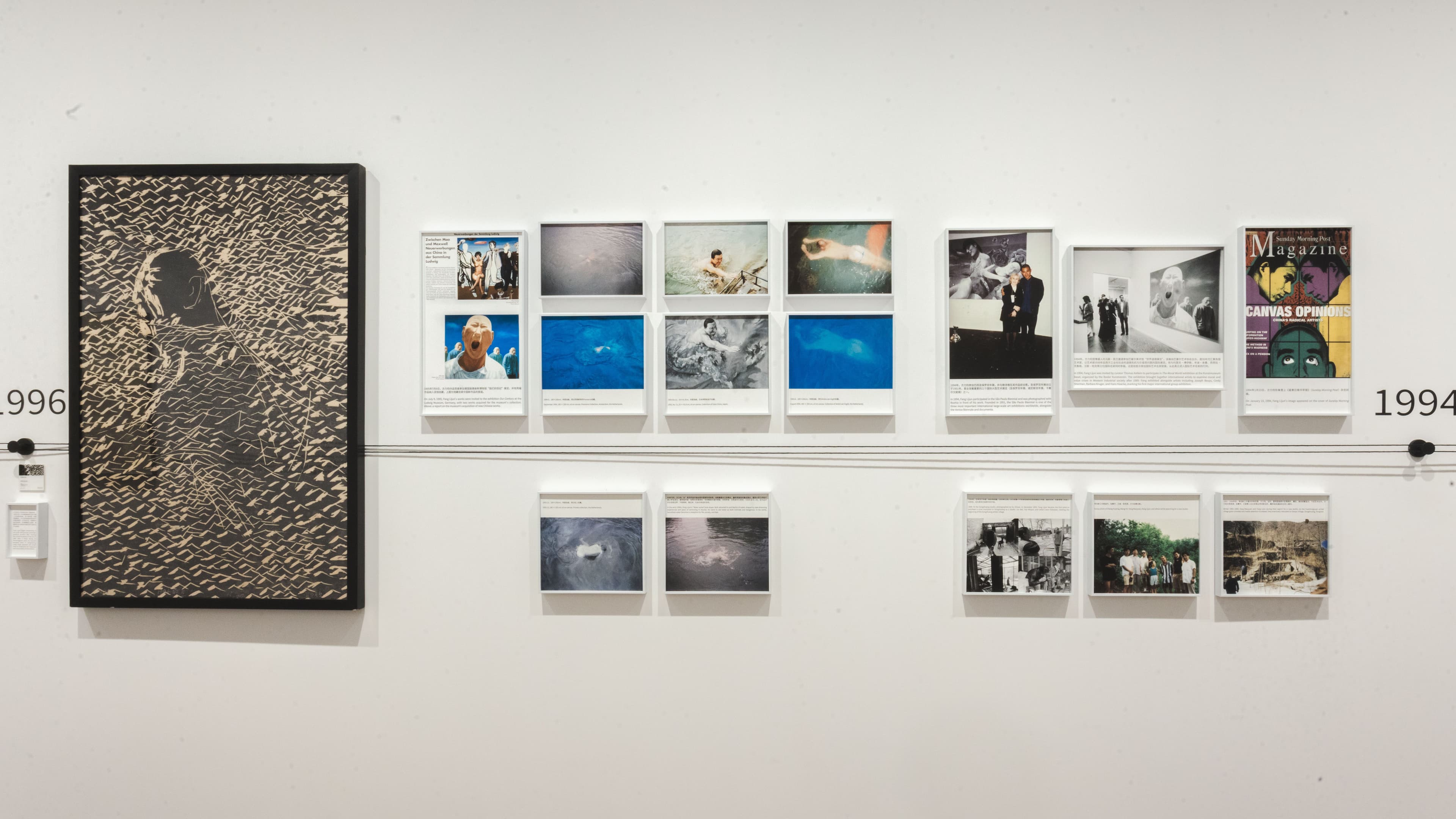
版画专业毕业的他,认为传统的刻版方式不能充分体现木刻语言的刀锋与偶然性,于是改用粗糙的三层板强化材质特征,用电锯更简明直接的突破手工刻刀的局限,制作巨幅版画并用国画的托裱方式悬挂,让尺幅成为版画语言的重要组成部分。
Trained in printmaking, he came to see that conventional carving techniques could not fully convey the sharpness and contingency inherent to the language of woodcut. He therefore turned to coarse plywood to heighten the material’s physical presence, using chainsaws to decisively break away from the constraints of hand-held carving tools. By producing prints on a monumental scale and mounting them in the manner of traditional Chinese painting, he made scale itself a fundamental element of printmaking language.
根据自己的生存经验,他觉得陶瓷越光洁完美,越远离生命的真实状况,越阻隔作品与观者心灵的真实触碰。于是他一反陶瓷的审美常规,以“轻、薄、空、透、漏、脆弱”等为方向,将表达权交还给材料、工具和过程,试图抵达生命的真实状态——绚烂与脆弱之间的悬崖式临界。随着实践中的推进,他逐渐将作品的“可控比例”降低,让失控成为接近临界点的关键指针,因为这是最接近生命真相的状态。对他而言,高成功率反而远离真实,那些真正接近“临界点”的作品,往往是技术不可控、成败混杂的。
Drawing on his own lived experience, he has come to believe that the more polished and flawless ceramic works become, the further they drift from the realities of life, and the more they impede genuine emotional contact between artwork and viewer. In response, he deliberately overturns conventional ceramic aesthetics, orienting his practice toward qualities of lightness, thinness, emptiness, translucency, permeability, and fragility.
By ceding control to materials, tools, and process, he seeks to approach what he understands as life’s truth—a cliff-like threshold between brilliance and vulnerability. As his practice has evolved, he has progressively reduced the degree of control within his works, allowing loss of control to function as a key indicator of proximity to this threshold. For him, a high rate of technical success paradoxically signals a distance from truth; those works that truly approach the “critical point” are often marked by uncertainty, contingency, and an unstable balance between success and failure.
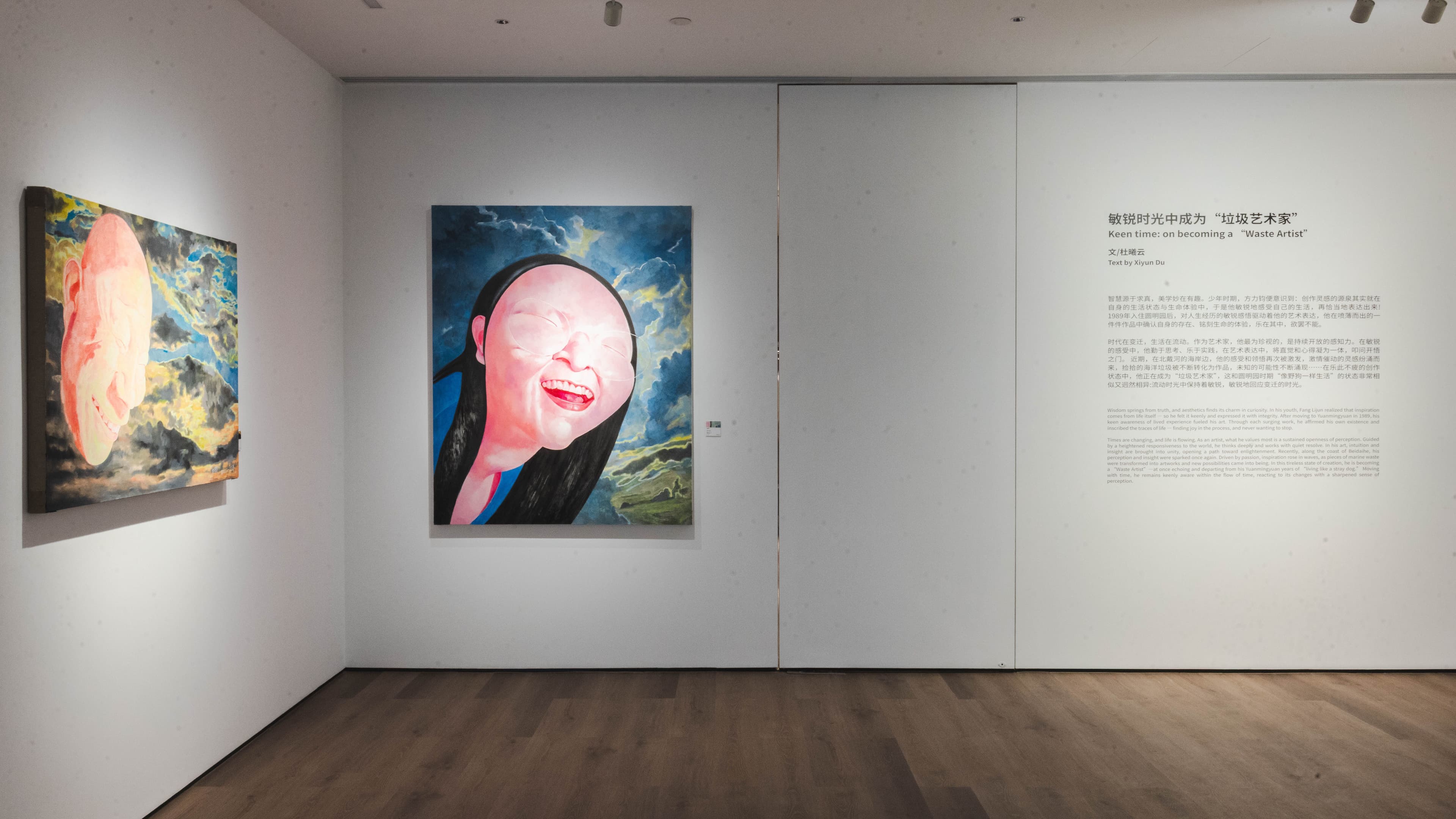
宣纸的柔软和墨汁的洇渗带来了不可修改的人情味与纵深感,适合捕捉人物表情的微妙与不可复制性。和社会主流审美或被修饰的“美颜”形象不同,他的水墨肖像画注重每一位个体不可替代的瞬间。通过捕捉这些独特瞬间,那些个体(包括他自己)的意志、欲望在具体处境中的反应状态,被他以带有诙谐感的视觉语言表达着。
The softness of xuan paper and the bleeding of ink introduce an irreversibility imbued with human warmth and depth, making them particularly suited to capturing the subtlety and unrepeatability of facial expression. In contrast to socially dominant aesthetics or retouched, beautified images, his ink portraits attend to moments that resist replication.
By seizing these singular instants, he renders—through a visual language tinged with humor—the ways in which individual will and desire, including his own, respond within specific circumstances.
他有时会有意强化画中人的某些特征,让难以捉摸的隐秘凸显出来,这也反照出他的洞察力。当观者开放自身的感受力并扪心自问,尤其是和自己的人生经历对照时,更能体会到方力钧在表达人性方面所达到的准确度和深度,也就更能实证出他作品的能量所在。
At times, he deliberately accentuates certain features of the figures he depicts, allowing what is elusive or concealed to surface—an approach that also reveals the sharpness of his insight. When viewers open themselves to their own sensibilities and engage in inward reflection, especially by relating what they see to their own lived experience, they become better able to perceive the precision and depth with which Fang Lijun articulates human nature, and to recognize where the true power of his work lies.
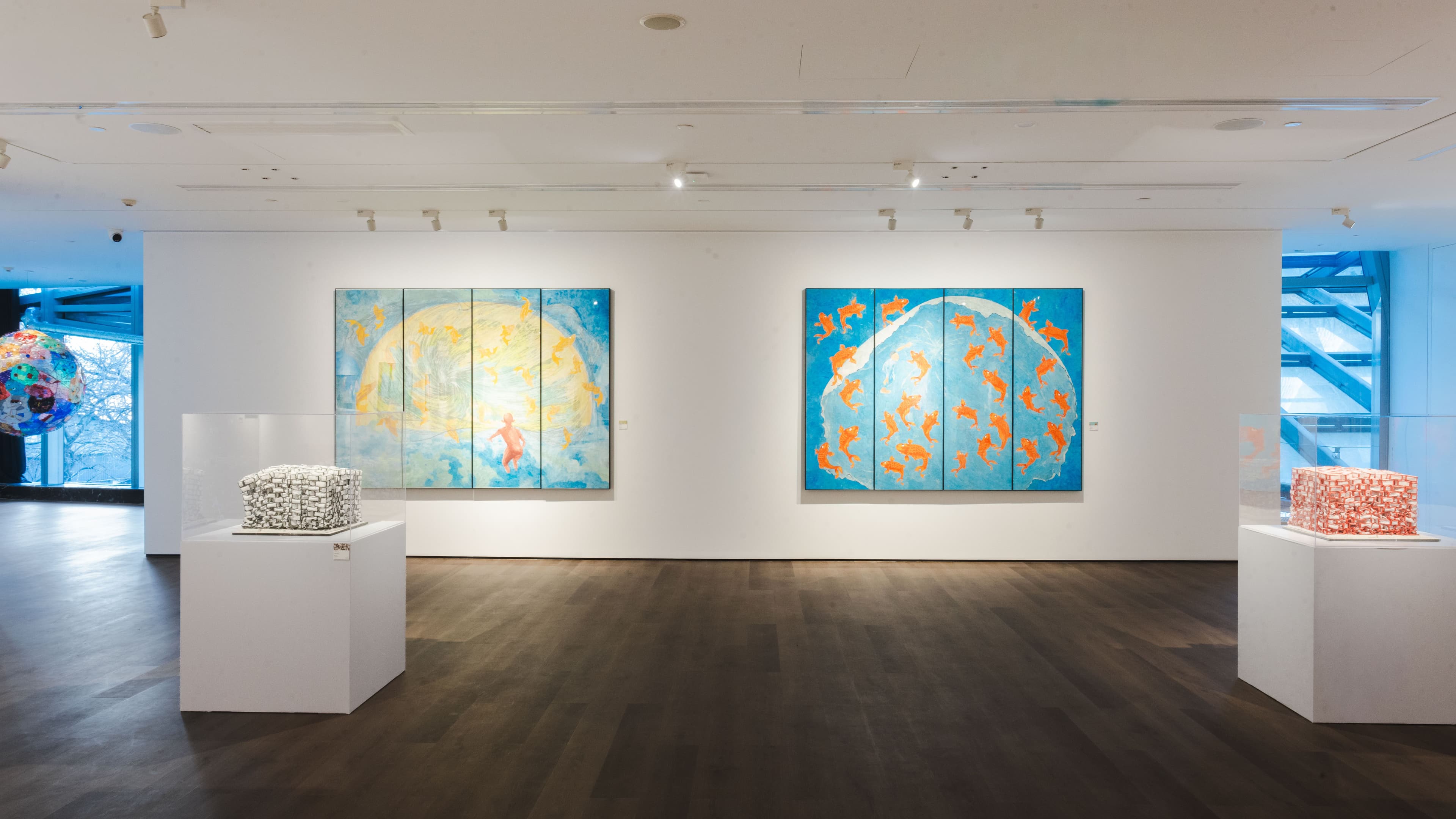
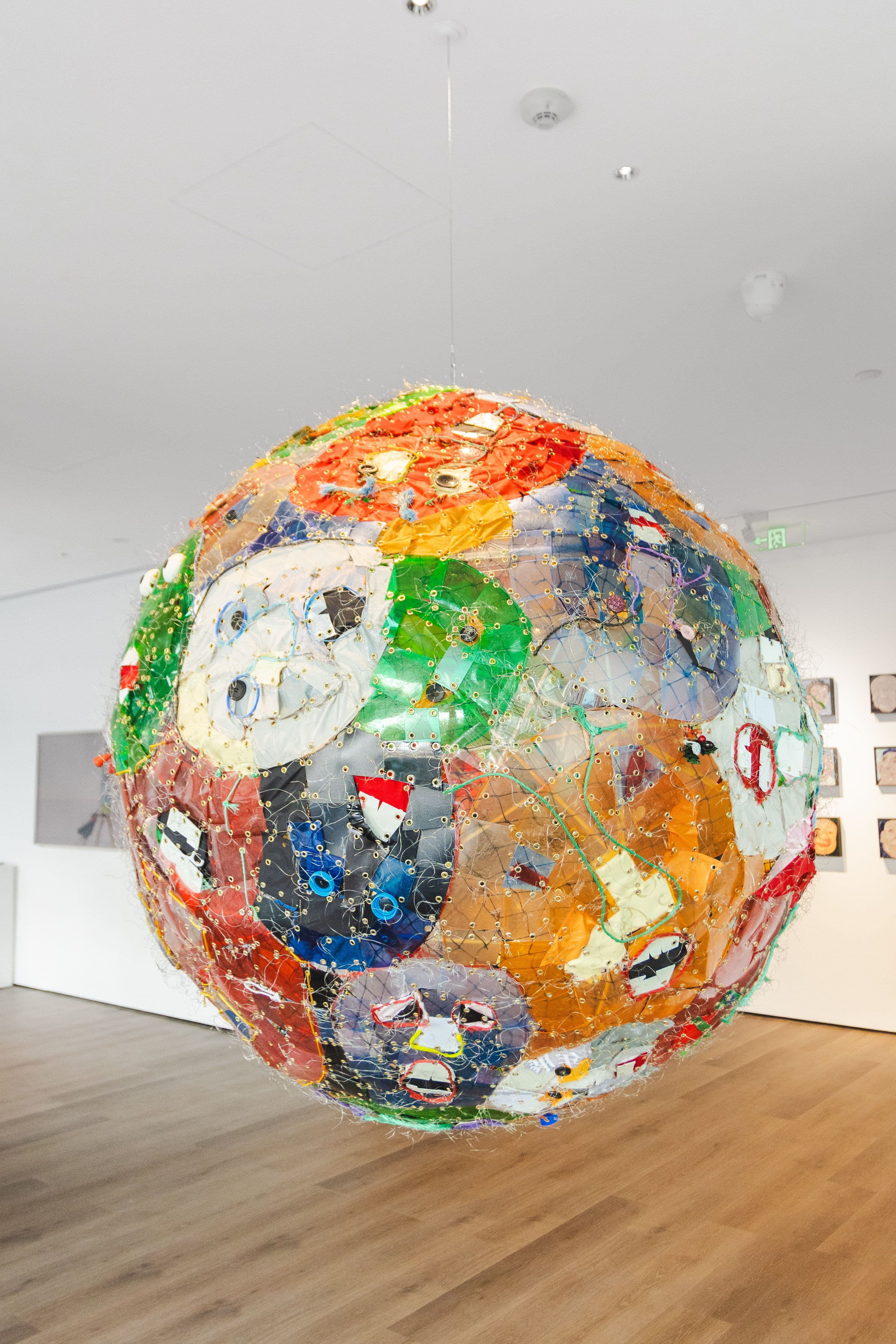
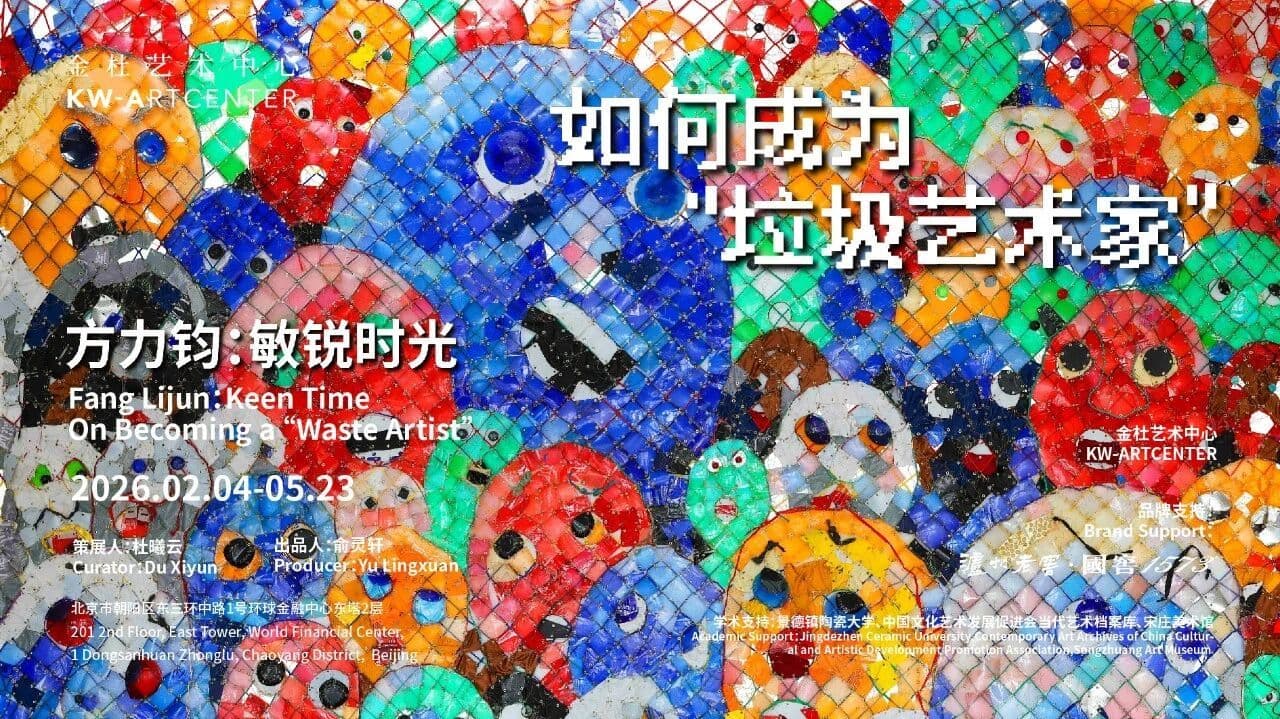
2025年以来,大海里游泳的畅快和大海边生活的惬意,被海滩上层出不穷的垃圾扫兴,这种遭遇激发他将海洋垃圾转化为艺术作品。在海滩上捡拾各种海洋垃圾,然后分类、清洗、切割、热熔、组合、缠绕、拼装,成为了他的日常生活和工作——生活和工作难解难分。他有时延续以往作品中的图像和造型,有时利用海洋垃圾的特性走向陌生境地。
Since 2025, the exhilaration of swimming in the sea and the ease of life by the shore have been repeatedly disrupted by the ever-growing waste scattered along the beach. This experience led him to transform marine debris into works of art. Collecting discarded materials along the shoreline, then sorting, washing, cutting, heat-bonding, assembling, binding, and constructing them gradually became both his daily routine and his method of working—life and work inseparably intertwined. At times, he carries forward visual motifs and forms from earlier works; at others, he allows the material properties of marine debris to guide him into unfamiliar territory.
海洋垃圾以塑料为主,塑料的本体特性又和人类的当下处境有多方面的暗合。每天的生活经历和丰富的海洋垃圾不断刺激着他的感受、思考和表达,他仿佛又回到了在圆明园时期的那种状态:激情饱满、创意联翩、终日劳作、欲罢不能……随着每多一件垃圾拣拾、每多一个构想、每多一份投入,各种形态的新作源源不断地生长出来,既是美学实验的爆发,也融合了他对欲望、理性、秩序和前景等的复杂体会。在这条新的艺术路径上,一切刚刚开始,无数的可能性正在发酵中……
Marine waste is predominantly plastic, whose material properties resonate in multiple ways with contemporary human conditions. Daily lived experience, together with the abundance of ocean debris, continually stimulates his perception, reflection, and expression. He appears to have returned to a state reminiscent of his years at Yuanmingyuan—full of passion, sustained invention, working throughout the day, unable to stop. With each piece of waste collected, each idea formed, and each further investment of time and energy, new works in diverse forms emerge in a continuous flow. These works register both an outpouring of aesthetic experimentation and a synthesis of his complex reflections on desire, reason, order, and future possibility. Along this new artistic path, everything is only just beginning; countless possibilities are now taking shape.
在这些纷繁多态的作品中,不变的还有艺术语言的通俗易懂。他希望自己的作品既能一目了然,又可供反复回味。朴实平和、通俗易懂的语言才会尽可能直接、简要地传达所感所思。所感的敏锐和所思的深刻,又会让貌似通俗的语言中富含能量。这种追求和“波普艺术” 不谋而合,越是接近这种追求,越能雅俗共赏、妙趣横生。
Amid the profusion and diversity of these works, one thing remains constant: the accessibility of his artistic language. He hopes his works can be grasped at a glance, while still rewarding sustained contemplation. Only a plain, composed, and readily intelligible language, he believes, can convey perception and thought with maximum directness and economy. Yet it is precisely the sharpness of perception and the depth of reflection that charge this seemingly straightforward language with energy. This pursuit aligns closely withPop Art, and the closer he approaches it, the more his work achieves a rare balance between refinement and popular appeal, animated by wit and vitality.
依然不变的,还有他最为珍视的敏锐感知力。在方力钧看来,艺术家只有一直保持对世界的敏锐感知,才具备持续创作的能力。所谓的“风格”、“技法”、“名声”都可以学习、获得或遗忘,但唯有对时间、现实、个体情感的那份独特捕捉力,必须时时保持。他经常有意地游走迁徙,摸索新的材料和形式,都是为了培植和开放自己的感受力。
What remains unchanged as well is the quality he values most: perceptual acuity. In Fang Lijun’s view, an artist can only maintain creative vitality over time by keeping a keen awareness of the world can an artist maintain creative vitality over time. So-called “style,” “technique,” and “reputation” may be learned, acquired, or forgotten, but the singular capacity to apprehend time, reality, and individual emotion must be continually preserved. His deliberate movements and periods of relocation, along with his ongoing exploration of new materials and forms, all serve this end: to cultivate and keep open his capacity for perception.
回顾过往,瞻望未来,方力钧在流动的时光中保持着敏锐,敏锐地回应变迁的时光。时代正在剧烈变动中,生活依然要持续,在敏锐的感受中勤于思索、乐于表达,在表达中将直觉和心得凝为一体,才能不断叩问开悟之门。方力钧对此心领神会,并常年如一日地身体力行着。
Looking back and ahead, Fang Lijun remains alert within the flow of time, responding with sensitivity to its transformations. As the era undergoes profound change and life continues unabated, it is through sustained reflection grounded in acute perception, and through a willingness to give form to experience, that intuition and insight are fused into a coherent whole—one that repeatedly approaches the threshold of awakening. Fang Lijun understands this not as a theory, but as a practice, and has embodied it consistently over many years.
2026年1月22日于北京
Beijing, January 22, 2026
关于艺术家
方力钧,1963年出生于河北邯郸,1989年毕业于中央美术学院版画系,同年7月1日入住圆明园,并逐渐形成圆明园画家村。1993年创建宋庄工作室并逐渐形成宋庄画家村。2014年创建“中国当代艺术档案库”。
方力钧曾在德国路德维希美术馆、德国国家美术馆、阿姆斯特丹城市美术馆、日本国际交流基金会、瑞士阿丽亚娜陶瓷博物馆、意大利都灵市立现代美术馆、牛津大学阿什莫林艺术博物馆、台北市立美术馆、香港艺术中心、上海美术馆、湖南省博物馆、北京民生现代美术馆等美术馆和画廊举办过80次个展。参加威尼斯双年展、圣保罗双年展、光州双年展、上海双年展等众多群展。作品被纽约现代美术馆(MOMA)、蓬皮杜国家艺术中心、路德维希美术馆、旧金山现代美术馆、西雅图艺术博物馆、荷兰STEDELIJK博物馆、澳大利亚新南威尔士美术馆、澳大利亚昆士兰美术馆、福冈亚洲美术馆、东京都现代美术馆、日本广岛现代美术馆、澳门艺术博物馆、中国美术馆、上海美术馆、广东美术馆、何香凝美术馆、湖南省博物馆、中央美院美术馆等众多公共机构收藏。
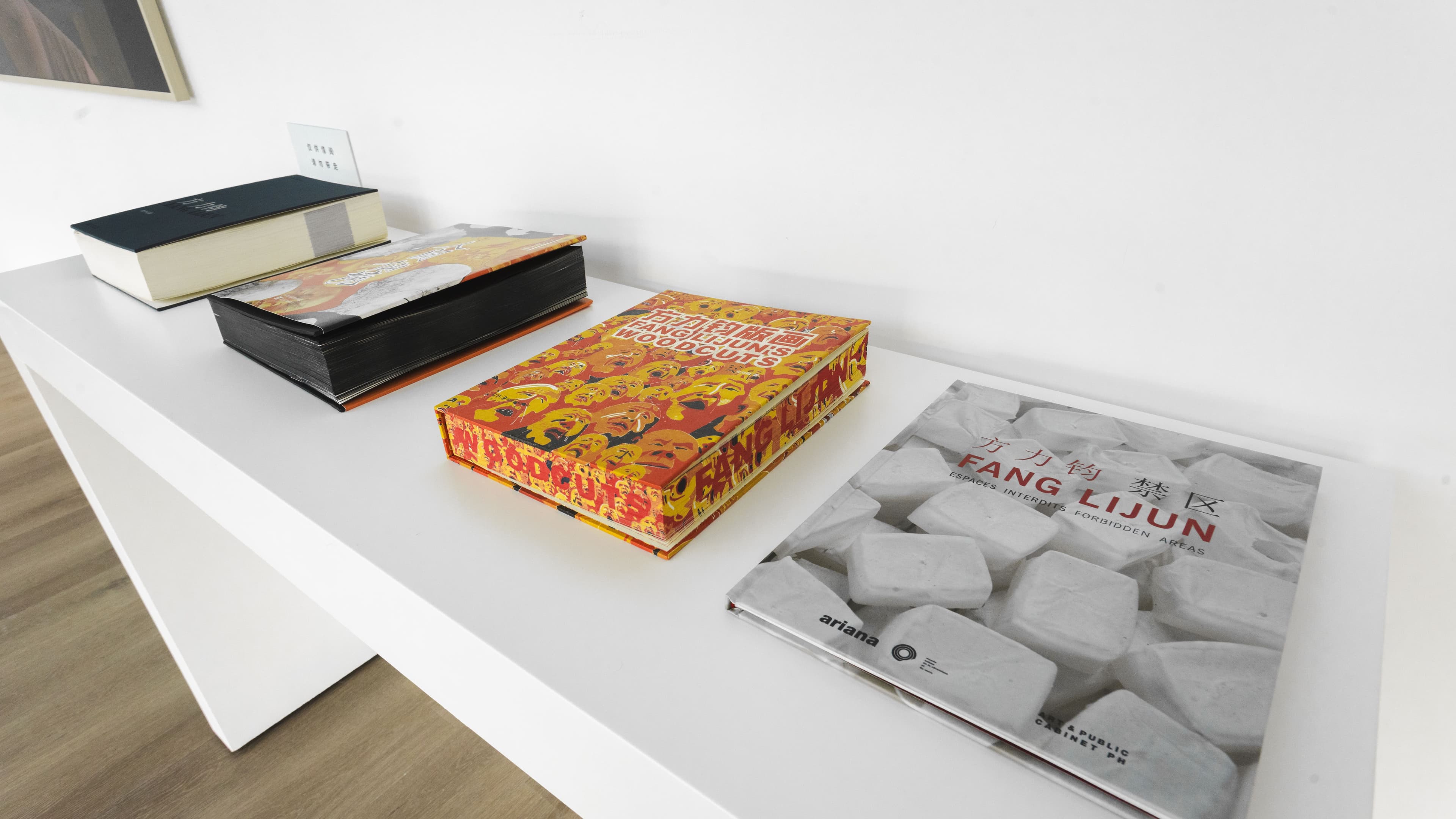
出版个人画册、图书《方力钧:编年记事》《方力钧:批评文集》《方力钧:作品图库》《方力钧:云端的悬崖》《方力钧:禁区》《方力钧版画》《像野狗一样生存》等61本。
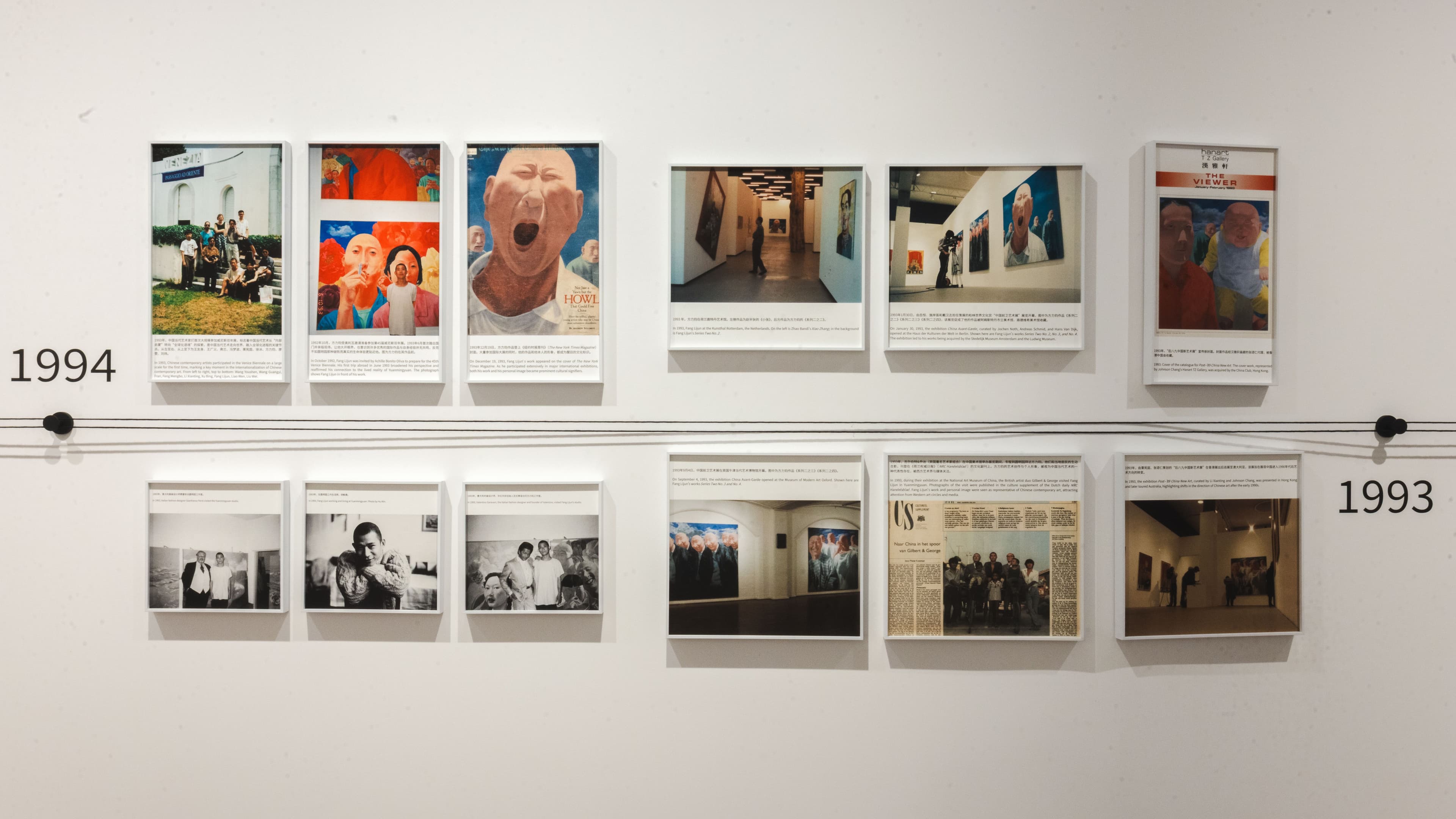
并被中央美术学院、四川美术学院、景德镇陶瓷大学、西安美术学院等24所国内大学聘为客座教授。1993年,作品《系列二之二》登上《纽约时报周刊》封面。
ABOUT THE ARTIST
Fang Lijun was born in 1963, Handan, Hebei. He graduated from the Printmaking Department of' China Central Academy of Fine Arts in 1993. On July Ist of the same year, Fang Lijun moved to Yunamingyuan, the Old Summer Palace, and later the Yunamingyuan Artists' Village was gradually formed. In 1993, Fang Lijun established his studio in Songzhuang. The Songzhuang Artists' Village has steadily developed for the last two decades. In 2014, Fang Lijun established the Archive of Chinese Contemporary Art.
Fang Lijun has held 80 solo exhibitions in major art institutions and galleries, including Ludwig Museum Koblenz, Staatliche Kunsthalle, Stedelijk Museum Amsterdam, the Japan Foundation, Ariana Museum in Geneva, Museum of Modern and Contemporary Art in Turin, Ashmolean Museum, Taipei Fine Arts Museum, Hong Kong Arts Centre, Shanghai Art Museum, Shanghai Art Museum, Hunan Museum, Beijing Minsheng Art Museum. His participation includes the Venice Biennale, Săo Paulo Biennial, Kwangju Art Biennial, and Shanghai Biennial. His works are collected by The Museum of Modern Art (USA), Seattle Art Museum(USA), San Francisco Museum of Modern Art (USA), Centre de G. Pompidou (France), Ludwig Forum für Internationale Kunst (Germany), Stedelijk Museum Amsterdam(Holland), The National Gallery of' Australia (Australia), Fukuoka Asian Art Museum (Japan), Museum of Contemporary Art Tokyo(Japan), Hiroshima City Museum of Contemporary Art(Japan), National Art Museum of China(China), Shanghai Art Museum (China), Guangdong Art Museum (China), He Xiangning Art Museum (China), Hunan Museum (China) , CAFA Art Museum(China). He is one of the Chinese contemporary artists with the most extensive collection by major art institutions worldwide.
He has published 61 personal albums and related publications, including Fang Lijun: Chronicles, Fang Lijun: Criticism, Fang Lijun: Works of Art,FANG LIJUN, Fang Lijun: The Precipice Over the Clouds, Fang Lijun: Espaces Interdits Forbidden Areas, Fang Lijun: Woodcuts, Live Like A Wild Dog, Etc. Fang Lijun has been invited as a visiting professor and graduate supervisor in 24 universities, including the Central Academy of Fine Arts, Sichuan Academy of Fine Arts, Jingdezhen Ceramic University, Xi 'an Academy of Fine Arts, etc. In 1993, his painting "Series 2, No. 2" appeared on the cover of the New York Times Magazine.
关于策展人
杜曦云,1978 年生于山西,知名当代艺术策展人、艺术批评家与媒体人,毕业于四川美术学院,曾任上海喜玛拉雅美术馆、昊美术馆副馆长。长期深耕当代艺术领域,兼具扎实的理论功底与丰富的美术馆运营、展览策划经验,聚焦观念艺术、跨媒介创作、青年艺术生态及前沿艺术议题,策展视野开阔、学术立场鲜明。他策划过多场重量级当代艺术群展、艺术家个展与跨界艺术项目,持续推进博伊斯研究、新锐艺术家扶持等长线艺术计划,同时勤于艺术评论写作,频繁开展学术讲座与行业交流,长期活跃于国内美术馆、艺术机构与学术平台,是当下中国当代艺术领域极具影响力的核心从业者之一。
ABOUT THE CURATOR
Born in Shanxi in 1978, Du Xiyun is a renowned contemporary art curator, art critic and cultural practitioner. A graduate of Sichuan Fine Arts Institute. He once held the position of Deputy Director at Shanghai Himalayas Museum and How Art Museum. With profound theoretical attainments and rich experience in museum management and exhibition curation, he has long devoted himself to contemporary art. His research and curatorial practice focus on conceptual art, cross-media creation, emerging art ecology and cutting-edge artistic topics, featuring a broad vision and distinct academic stance. He has curated numerous influential group exhibitions, solo shows and cross-disciplinary art projects, and long-term promoted in-depth research on Joseph Beuys as well as support programs for young artists. Meanwhile, he is a prolific art writer and frequently delivers academic lectures and professional exchanges. As a key active figure in major art institutions and academic circles nationwide, Du Xiyun is one of the most influential practitioners in Chinese contemporary art.